
Reflections from the SVRI Forum 2026: Advancing the Global Conversation on Violence Against Women and Children
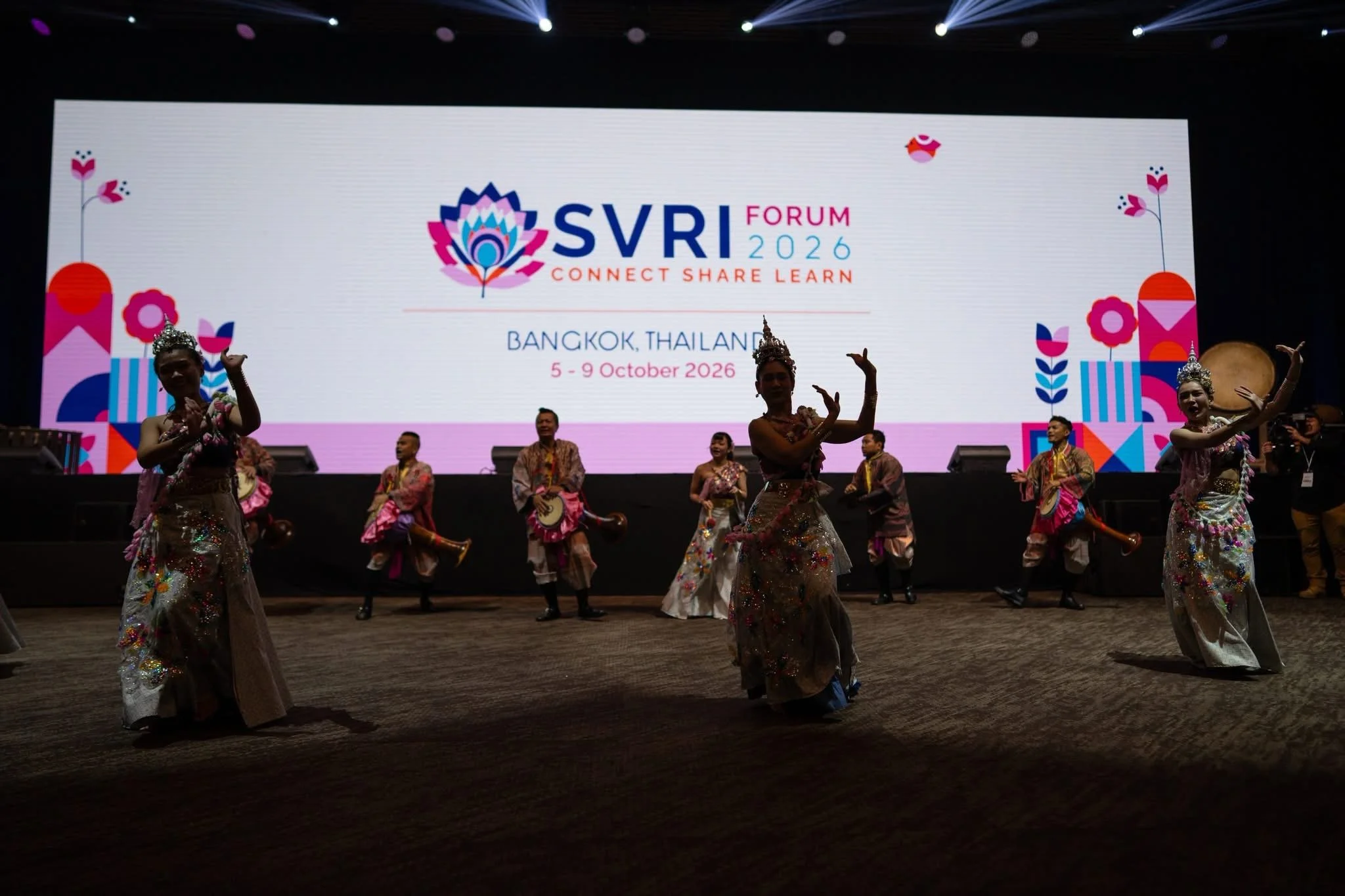
Earlier this month, I had the pleasure of attending the Sexual Violence Research Initiative (SVRI) Forum 2026 in Bangkok, Thailand. Bringing together approximately 1,600 participants from across the world, the Forum provided an important opportunity for researchers, practitioners, policymakers, activists and advocates to share knowledge, exchange experiences and engage in discussions on preventing and responding to violence against women and children.
The Forum was an impressive gathering, both in terms of its scale and the diversity of perspectives represented. The opening and closing ceremonies, featuring beautiful performances of traditional Thai art and dance, provided a memorable cultural backdrop to several days of engaging discussions, learning and networking.
With a packed programme of parallel sessions, workshops, research presentations, poster exhibitions and five-minute lightning presentations, deciding which sessions to attend was often a challenge. The breadth of the programme reflected the complexity of the issues being addressed and the growing body of research and practice dedicated to understanding and preventing violence.
For me, the Forum offered a valuable opportunity to reconnect with developments across the field, engage with colleagues from different professional and regional backgrounds, and reflect on the importance of sustained international dialogue.
Survivor Participation and Ethical Research
Ahead of the main Forum, I attended a pre-conference workshop on Ethical and Adaptive Practices in Survivor-Led and Survivor-Participatory Research. The workshop addressed important considerations surrounding the participation of survivors in research, including ethical engagement and approaches that recognise the experiences and perspectives of those directly affected by violence. Survivor participation has become an increasingly prominent consideration in research and practice relating to sexual and gender-based violence. The discussions provided an opportunity to consider different experiences and approaches across institutional, cultural and geographical settings.
Throughout the Forum, the importance of listening to survivors and recognising the diversity of their experiences emerged as a recurring theme. Sessions examining survivors' perspectives, community-led responses and institutional approaches illustrated the range of perspectives that inform contemporary discussions about justice and support for survivors.
Contributing to the Conversation on Justice for Survivors
I also had the opportunity to contribute to the Forum through a presentation on justice for survivors of sexual violence, drawing on themes from my published book. It was a welcome opportunity to share my published work with an international audience and participate in the wider exchange of perspectives on justice, human rights and the experiences of survivors. Presenting alongside researchers, practitioners and advocates from different professional and regional backgrounds was a particularly meaningful part of my experience at the Forum.
Justice, Law and Institutional Responses
There were a limited number of sessions that focused on the relationship between law, policy and responses to violence against women. Among the discussions I attended were Law in Practice: Evidence on Justice Responses to Violence Against Women, Laws, Strategies and Movements to Address Violence Against Women, and Justice on Survivors' Terms: Community-Led and Institutional Responses. These sessions brought together different perspectives on the role of legal frameworks, public policy, institutional practices and community initiatives in addressing violence.
The diversity of approaches highlighted the importance of understanding how legal and policy commitments operate across different contexts. Of particular interest was the attention given to survivors' experiences of justice and the range of responses available within formal and community-based settings. The discussions also demonstrated the value of bringing together diverse scholarship, empirical research and practical experience. Such exchanges provide important opportunities for professionals working in different disciplines to learn from one another and consider developments beyond their immediate areas of expertise.
Conflict-Related Sexual Violence
The sessions addressing conflict-related sexual violence were among those of particular professional interest to me. These included Tigrayan Women Confronting Sexual Violence in a War the World Didn't See and Surviving War's Oldest Crime: Moving Forward from Conflict-Related Sexual Violence. The inclusion of these discussions within the wider Forum programme was an important reminder of the continuing relevance of sexual violence in situations of armed conflict and the challenges faced by conflict-affected populations.
The sessions provided space for engagement with experiences from different conflict settings and drew attention to the enduring consequences of violence for survivors and communities. Conflict-related sexual violence remains a significant concern within international human rights, humanitarian and criminal justice discussions. It also continues to feature prominently in broader conversations about accountability, protection and responses to the consequences of armed conflict.
Prevention, Social Norms and Emerging Forms of Violence
A substantial part of the Forum programme was devoted to understanding the causes, patterns and prevention of violence. I attended sessions examining pathways into and out of violence, perspectives on male perpetration, and the influence of social norms and harmful practices on the lives of women and girls.These discussions reflected the importance of research that examines violence within its broader social, cultural and institutional contexts.
Another prominent area of attention was technology-facilitated gender-based violence. The growing relevance of digital technologies to experiences of harassment, exploitation and abuse featured within the Forum's wider discussions.
The programme also addressed intimate partner violence and violence against children, including research on preventing pornography-related harms to children and young people. Together, these topics demonstrated the expanding scope of research on sexual and gender-based violence and the importance of considering both longstanding challenges and emerging developments. The Forum also included discussions on a global research agenda concerning sex work and sexual and gender-based violence, illustrating the breadth of issues and populations represented.
Connecting Research, Policy and Practice
One of the most striking aspects of the Forum was the diversity of professional disciplines and experiences brought together in one setting. Researchers presented findings from different contexts, while practitioners and advocates contributed perspectives informed by their work with individuals, communities and institutions. Sessions addressing the use of policy, reform and data to end violence against women reflected the ongoing importance of connections between research and practical responses. The Forum provided a valuable platform for exchanging knowledge about different approaches and experiences, while also highlighting the contribution of interdisciplinary engagement. For those working across international human rights, justice and peacebuilding, opportunities to participate in such discussions are especially valuable as they allow us to remain informed about developments in related fields, encounter perspectives that may differ from our own and appreciate the varied contexts in which efforts to prevent and respond to violence take place.
The Value of International Exchange
Beyond the formal presentations and workshops, one of the most rewarding aspects of attending the Forum was the opportunity to meet and exchange ideas with colleagues from different parts of the world. Conferences such as the SVRI Forum offer more than opportunities to learn about new research. They create spaces for dialogue, professional connections and the exchange of experiences across geographical and disciplinary boundaries.I particularly appreciated the openness of the conversations and the shared commitment among participants to addressing violence against women and children.
The Forum also served as a reminder of the considerable work being undertaken by organisations, researchers and practitioners, often in challenging circumstances and with limited resources. The dedication and diversity of those involved were among the most encouraging aspects of the gathering.
Reflections for Pursue Peace
I found the Forum to be a valuable opportunity for professional engagement and reflection.Many of the themes discussed intersect with the broader fields in which Pursue Peace is situated, particularly those concerning survivors, justice, human rights and the consequences of conflict. The experience reinforced the importance of remaining connected to international conversations while recognising the diverse regional and local contexts in which these issues arise.
I returned from Bangkok with an appreciation for the breadth of research and practical experience shared throughout the Forum, as well as the many individuals and organisations contributing to this important field.
My thanks go to the Sexual Violence Research Initiative and everyone involved in organising and contributing to the Forum. The SVRI Forum 2026 was a valuable reminder of the importance of continued dialogue, collaboration and shared learning in advancing efforts to prevent violence against women and children and support those affected by it.
I look forward to remaining engaged in these conversations.
Posted By Ingrid Roestenburg-Morgan
