
Who we are
Pursue-Peace was founded on the conviction that lasting peace in Africa—and beyond—must be actively pursued and built on justice. Working at the intersection of domestic and international law, we support transitional justice processes that place survivors at the centre. We believe justice and peace are inseparable, and essential for individuals, communities, institutions, and leaders striving for more resilient and peaceful futures.
Our approach is grounded in the call to seek peace and pursue it, first within ourselves, in our relationships, and across our communities. When applied with integrity and adapted to local realities, justice can repair broken relationships, protect the vulnerable, and create the conditions for reconciliation. This conviction informs every aspect of our work, from developing context-specific justice processes to equipping institutions with the research, analysis, training, and tools they need to act with cultural awareness, compassion, and credibility.
At the heart of Pursue-Peace is a deep commitment to centring survivors’ voices. We advance truth-telling, accountability, and healing by helping organisations and justice mechanisms adopt practices that are ethically grounded, trauma informed, politically realistic, and responsive to local needs. Through legal expertise, rigorous research, and practical training, we translate principles of justice into processes that work in real-world pre- and post-conflict environments.
Whether advising governments, justice institutions, civil society organisations, faith leaders or community initiatives, Pursue-Peace is dedicated to building pathways to stability, trust, and lasting peace—ensuring that justice becomes a force for restoration rather than division, and that survivors are empowered to shape the future of their societies.

Meet the Founder
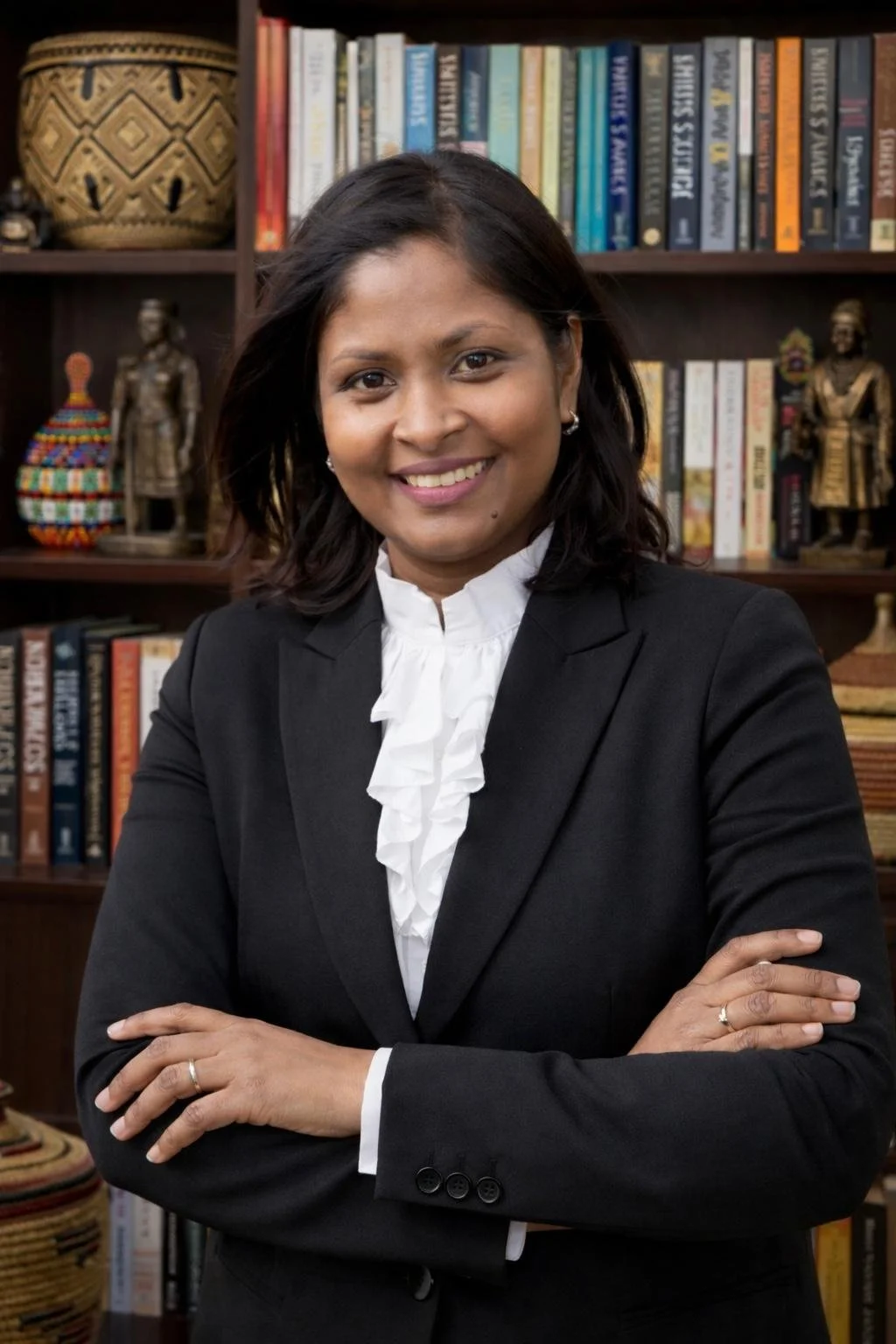
Dr. Ingrid Roestenburg-Morgan is a legal practitioner and scholar specialising in international human rights, international criminal law, and transitional justice. She has held positions at the International Criminal Court (ICC), the United Nations International Criminal Tribunal for the Former Yugoslavia (UN-ICTY), ActionAid International, and the Institute for Justice and Reconciliation. She serves on the African Transitional Justice Experts Group, advising the Initiative for Transitional Justice in Africa (ITJA), which is a project jointly launched by the European Union and the African Union to support implementation of the African Union Transitional Justice Policy. She is also a Senior Research Associate in the Programme for Studies on Human Rights in Context at Ghent University.
Her academic training includes a Ph.D. in International Criminal Law and Human Rights from the Netherlands Institute for Human Rights (SIM) at Utrecht University, an LL.M. in International Criminal Law and Human Rights from Utrecht University, an LL.B. from the University of South Africa, and a B.A. in Sociology and Politics from the University of the Witwatersrand.
Dr. Roestenburg-Morgan works at the intersection of international criminal law and human rights, focusing on mass violence, peace and security processes, and transitional justice in the African context. Her expertise spans international prosecutions, the role of international and regional institutions, and traditional justice and reconciliation mechanisms. Central to her approach is a survivor-centred commitment that ensures those most affected by conflict are recognised as rights-bearing actors with agency and voice.
Born in South Africa and growing up under apartheid, she experienced firsthand how law through the policy of apartheid could be used to entrench exclusion and silence communities. South Africa’s negotiated transition to constitutional democracy — anchored in a rights-based Constitution and the work of the Truth and Reconciliation Commission in turn demonstrated how law can instead protect dignity, stabilise divided societies, and help prevent renewed conflict.
This lived and professional experience informs her conviction that justice must do more than only punish. It must listen, recognise harm, restore dignity, and build pathways toward reconciliation and lasting peace. Guided by the enduring call to “seek peace and pursue it,” Dr. Ingrid Roestenburg-Morgan is dedicated to ensuring that survivors’ voices actively shape the future of their societies and that justice becomes a force for lasting peace, dignity, and hope.
Why Work With Pursue Peace
Working with Dr Morgan means partnering with a practitioner who brings together lived experience, rigorous scholarship, and international justice expertise to shape processes that are ethical, context-responsive, and grounded in the realities of survivors and communities.
Dr. Morgan offers a combination of strengths which provide her with credibility and legitimacy:
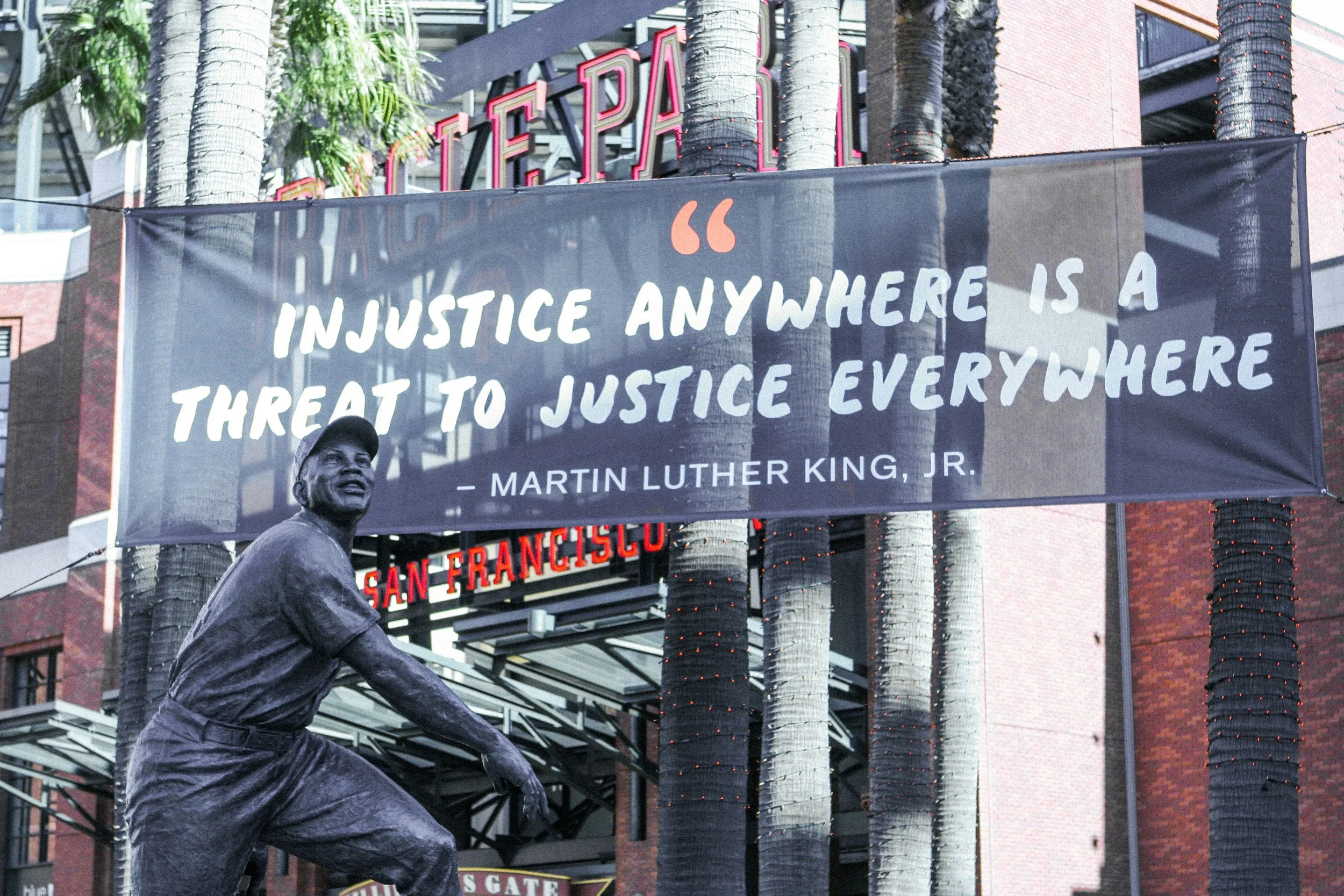
Born and raised under apartheid, she understands personally and profoundly how broken systems impact dignity, rights, and social trust. This lived perspective brings moral clarity and authenticity to her work in ways that purely academic approaches cannot.
Lived Experience of Structural Injustice
Her work is rooted in African contexts, traditions, and histories. She contributes to justice processes that reflect local realities, support the leadership of survivors, and honour the knowledge and resilience of communities and not merely externally imposed models.
Africa-Centred, Survivor-Led Approach
Her background encompasses African justice organisations such as the Institute for Justice and Reconciliation (IJR) and the Initiative for Transitional Justice in Africa (ITJA), as well as international courts including the UN-ICTY and the International Criminal Court. This dual perspective allows her to bridge global legal standards with African-led approaches.
Experience Across African and International Institutions
With a Ph.D in international law and extensive experience in policy analysis, research, and legal reform, she brings rigorous academic grounding to practical field realities. Her focus is on her contributing justice processes that work not just in theory, but in complex political environments.
Deep Expertise in Law, Research, and Peacebuilding
She utilizes a decolonial lens and intersectional approach informed by lived experience, not abstraction. Her approach challenges extractive practices and prioritises dignity, agency, and equitable relationships with communities.
Decolonial Perspective Grounded in Identity and Practice
She aims to place survivors’ needs, safety, and agency at the centre of every process. Her work integrates trauma-informed principles, cultural awareness, and safeguards to ensure that justice processes do no harm.
Commitment to Ethical, Trauma-Informed Justice
Her work is driven by a conviction that justice must heal, restore, and rebuild relationships. This ethos shapes how she engages with stakeholders, communities, institutions, and partners.
Guided by the Call to “Seek Peace and Pursue It”

What Sets Pursue Peace Apart
Pursue Peace operates at the intersection of international criminal law, human rights, and transitional justice, combining rigorous legal expertise with lived transitional transformation. We offer something rare: grounded legitimacy, moral clarity, and a sustained commitment to ensuring that justice heals, protects, and restores. Our work bridges international prosecutions, regional accountability frameworks, and local and traditional justice mechanisms, recognising that effective transitional justice requires coherence across all levels of response. By aligning legal accountability with community-based processes, we help ensure that transitional justice is not fragmented or externally imposed, but rooted in lived realities and capable of contributing to reconciliation, institutional reform, and durable peace.
Our approach is neither imported nor abstract, and it is never extractive. It is rooted in African knowledge systems and regional transitional justice practice, aligned with international legal standards, and anchored in a survivor-centred ethos that prioritises dignity, agency, and community resilience. We work in partnership with institutions and communities, strengthening local ownership and stewarding justice processes with care and integrity.
We understand the political, social, and historical realities of justice work across the continent because we have lived them, studied them, and supported institutions navigating them. This enables us to deliver research, training, and justice processes that are context-responsive, ethically rigorous, feminist in perspective, operationally realistic, and fully aligned with the highest global legal standards. We believe justice is not merely a technical exercise, but a moral responsibility, one that affirms the inherent worth of every person and seeks restoration alongside accountability. Our niche lies in strengthening justice systems that are not only legally sound, but institutionally credible and socially legitimate advancing accountability while contributing to restoration, reconciliation, and lasting peace.
Contact us
Interested in working together? Fill out some info and we will be in touch shortly. We can’t wait to hear from you!